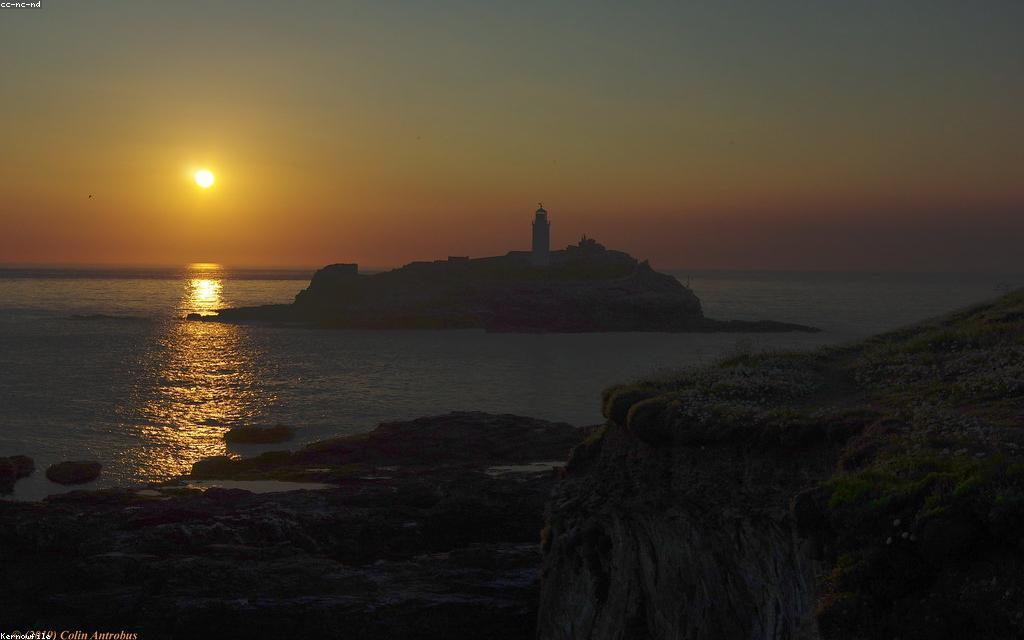
The Southern Gulf Islands sit scattered across the Salish Sea between Vancouver Island and the British Columbia mainland, and for most travellers the journey there is inseparable from the ferry. BC Ferries is not simply a way to cross the water; it is part of the experience, a slow transition from the rhythm of the city to the slower pulse of island life. But the system can feel bewildering at first, with its interisland routes, reservation quirks, and seasonal crowds. Understanding how it works before you arrive will save you hours of frustration and the very real disappointment of being left on the dock watching your ferry pull away.
Which Terminals Serve the Gulf Islands
Most visitors reach the Southern Gulf Islands from one of two mainland-adjacent terminals. Tsawwassen, south of Vancouver, runs direct sailings to Galiano, Mayne, Pender, Saturna, and Salt Spring. From Vancouver Island, the small terminal at Swartz Bay near Sidney connects to all five islands and tends to involve shorter crossings. There is also the Crofton terminal serving Salt Spring’s Vesuvius Bay, and Chemainus serving Thetis and Penelakut. Knowing which terminal matches your island saves you from booking a sailing that adds two hours of driving.
The crucial thing to understand is that many Gulf Island sailings are routed, meaning a single ferry may stop at three or four islands in sequence before reaching yours. Your departure time and arrival time can be separated by well over an hour, and the boat may reverse direction at an intermediate stop. Always read the full route description rather than assuming a direct line.
Reservations Versus Walk-On Travel
If you are bringing a vehicle, reservations are strongly recommended on the busy Tsawwassen routes, especially on summer weekends and holiday Mondays. Vehicle space fills early, and the standby lineup on a sunny July Friday can mean a multi-sailing wait. The reservation fee is modest and the peace of mind is considerable. Foot passengers, by contrast, are almost never turned away, so if you can manage your island stay without a car, you gain enormous flexibility.
- Book vehicle reservations as early as you can, ideally weeks ahead for peak season.
- Arrive at least 30 to 60 minutes before departure, even with a reservation, as check-in deadlines are enforced.
- Keep your confirmation accessible, and note that the licence plate you enter must match the vehicle you bring.
The Interisland Ferries
One of the genuine pleasures of the region is hopping between islands on the interisland sailings, which let you visit Mayne in the morning and Galiano in the afternoon without returning to a mainland terminal. These smaller vessels run on their own schedules, often with limited daily crossings, so plan tightly. Foot passengers travelling interisland frequently ride free or at minimal cost, which makes a multi-island cycling trip remarkably affordable.
Practical Tips for a Smooth Crossing
Cell service can drop on the water, so download your schedule and confirmation before leaving. The on-board cafeterias serve famously good clam chowder and the signature ferry breakfast, but lines form fast, so visit early in the sailing. Bring layers; the open passenger decks are breezy even in summer, and the views of the channel, the lighthouses, and the occasional pod of orcas reward those who venture outside.
If you are travelling without a reservation in shoulder season, the system becomes far more forgiving. Spring and autumn sailings rarely fill, the terminals are calm, and you can make decisions on the day. This flexibility is one of the strongest arguments for visiting the Gulf Islands outside the July and August peak.
Planning the Return Journey
Travellers often focus entirely on getting to the islands and forget that the return can be the harder leg. Sunday afternoon sailings back to the mainland are the single busiest window of the week, as weekend visitors all leave at once. If your schedule allows, return on a Sunday morning or a Monday, or reserve your return vehicle space at the same time you book your outbound trip. A little forethought here transforms the end of your trip from a stressful scramble into a relaxed final crossing, watching the islands recede behind the wake as you sail home.